Best Foods for Muscle Growth and Energy
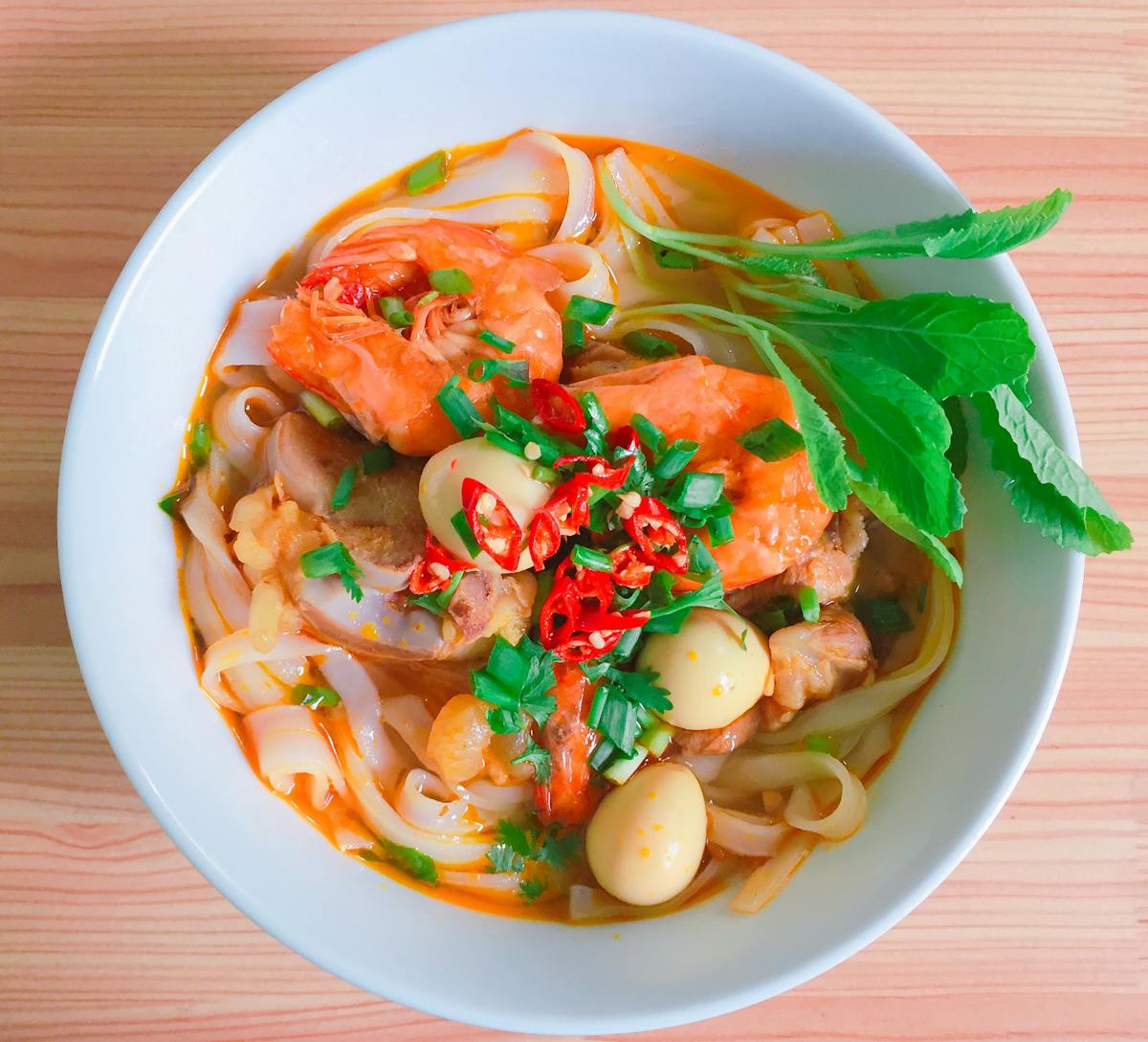
You can train as hard as you want, but without the right fuel, your muscles won't grow and your energy will fade. Nutrition plays a crucial role in building strength, recovering from workouts, and maintaining steady energy throughout the day. The foods you eat directly impact how well your body performs, recovers, and transforms.
Whether you're looking to build lean muscle, boost your energy levels, or simply perform better in your daily activities, choosing the right foods makes all the difference. This guide explores the best foods for muscle growth and sustained energy — backed by nutrition science and practical enough to fit into any lifestyle.
From high-quality proteins to complex carbohydrates and healthy fats, each food group plays a unique role in supporting your fitness goals. Let's dive into the top foods that should be part of your diet for stronger muscles and lasting energy.
1. Protein-Rich Foods for Muscle Repair
Protein is the foundation of muscle growth. When you strength train, you create tiny tears in muscle fibers. Protein provides the amino acids needed to repair these tears, making muscles bigger and stronger over time. Aim for 1.6-2.2 grams of protein per kilogram of body weight daily for optimal muscle growth.
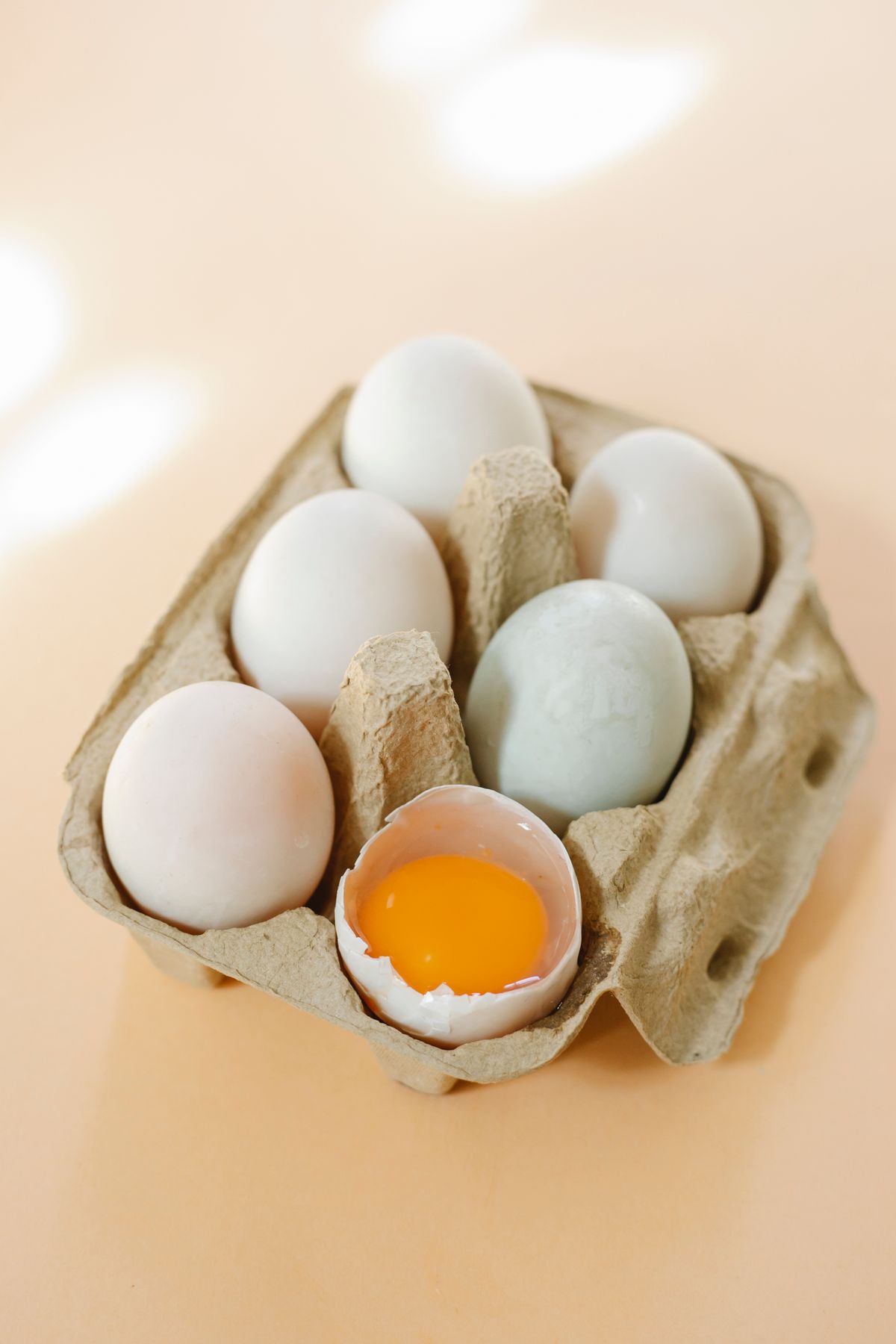
🥚 Eggs — The Complete Protein
Eggs are often called nature's multivitamin. They contain all nine essential amino acids, making them a complete protein source. The yolk is rich in vitamin D, which supports bone health and testosterone production — both important for muscle growth. One large egg provides about 6-7 grams of high-quality protein.
- Rich in leucine, the key amino acid that triggers muscle protein synthesis
- Contains choline for brain health and muscle function
- Affordable and versatile — can be boiled, scrambled, or added to meals
🐔 Chicken Breast — Lean Muscle Builder
Chicken breast is a staple in muscle-building diets for good reason. It's lean, packed with protein, and low in fat. A 100-gram serving provides about 31 grams of protein with minimal saturated fat. Chicken is also rich in B vitamins, which help convert food into energy.
- High protein-to-calorie ratio — perfect for lean muscle gain
- Contains selenium, an antioxidant that supports immune function
- Easy to prepare in bulk for meal prep
🐟 Fatty Fish — Salmon, Tuna, Sardines
Fatty fish provide high-quality protein plus omega-3 fatty acids, which reduce inflammation and support muscle recovery. Omega-3s also improve joint health and may enhance muscle protein synthesis. Salmon offers about 22 grams of protein per 100-gram serving.
- Omega-3s reduce exercise-induced muscle soreness
- Rich in vitamin D for bone strength and testosterone support
- Sardines and tuna are convenient, shelf-stable options
🌱 Lentils and Legumes — Plant-Based Power
For plant-based eaters, lentils, chickpeas, and black beans are protein powerhouses. One cup of cooked lentils provides about 18 grams of protein plus 15 grams of fiber. The fiber helps stabilize blood sugar, providing steady energy without crashes.
- High in iron, which supports oxygen transport to muscles
- Complex carbohydrates provide sustained energy for workouts
- Affordable and shelf-stable
🥛 Greek Yogurt and Cottage Cheese
Dairy products are rich in casein and whey protein — two types of protein that support muscle growth. Greek yogurt offers about 20 grams of protein per serving, plus probiotics for gut health. Cottage cheese is high in casein, which digests slowly and provides a steady stream of amino acids, making it ideal before bed.
- Calcium for bone health and muscle contraction
- Probiotics support digestion and nutrient absorption
- Convenient snack or meal base
2. Energy-Boosting Carbohydrates
Carbohydrates are your body's primary fuel source. They're stored as glycogen in muscles and liver, providing energy for workouts and daily activities. Without enough carbs, your energy levels drop, and muscle recovery suffers. Choose complex carbohydrates for steady, lasting energy.
🍠 Sweet Potatoes — Slow-Burning Energy
Sweet potatoes are a favorite among athletes for good reason. They provide complex carbohydrates that release energy slowly, plus beta-carotene, vitamin C, and potassium. Potassium helps prevent muscle cramps and supports proper muscle function.
- Rich in fiber for steady blood sugar
- High in vitamin A for immune health
- Versatile — can be roasted, mashed, or baked
🌾 Oats — The Perfect Breakfast Fuel
Oats are a whole grain that provides sustained energy for hours. They're rich in beta-glucan, a type of soluble fiber that helps stabilize blood sugar and keeps you full. Oats also contain B vitamins that help convert food into usable energy.
- Low glycemic index — no energy crashes
- Can be topped with protein powder, nuts, or fruit
- Supports heart health and cholesterol management
🍌 Bananas — Nature's Energy Bar
Bananas are a quick, portable source of energy. They provide natural sugars for immediate fuel plus fiber for sustained release. Bananas are also rich in potassium and magnesium, which prevent muscle cramps and support muscle recovery.
- Ideal pre-workout snack
- Easy to digest
- Contains vitamin B6 for energy metabolism
3. Healthy Fats for Hormones and Energy
Fats often get a bad reputation, but healthy fats are essential for muscle growth. They support testosterone production, reduce inflammation, and provide a concentrated source of energy. Aim for unsaturated fats from whole food sources.
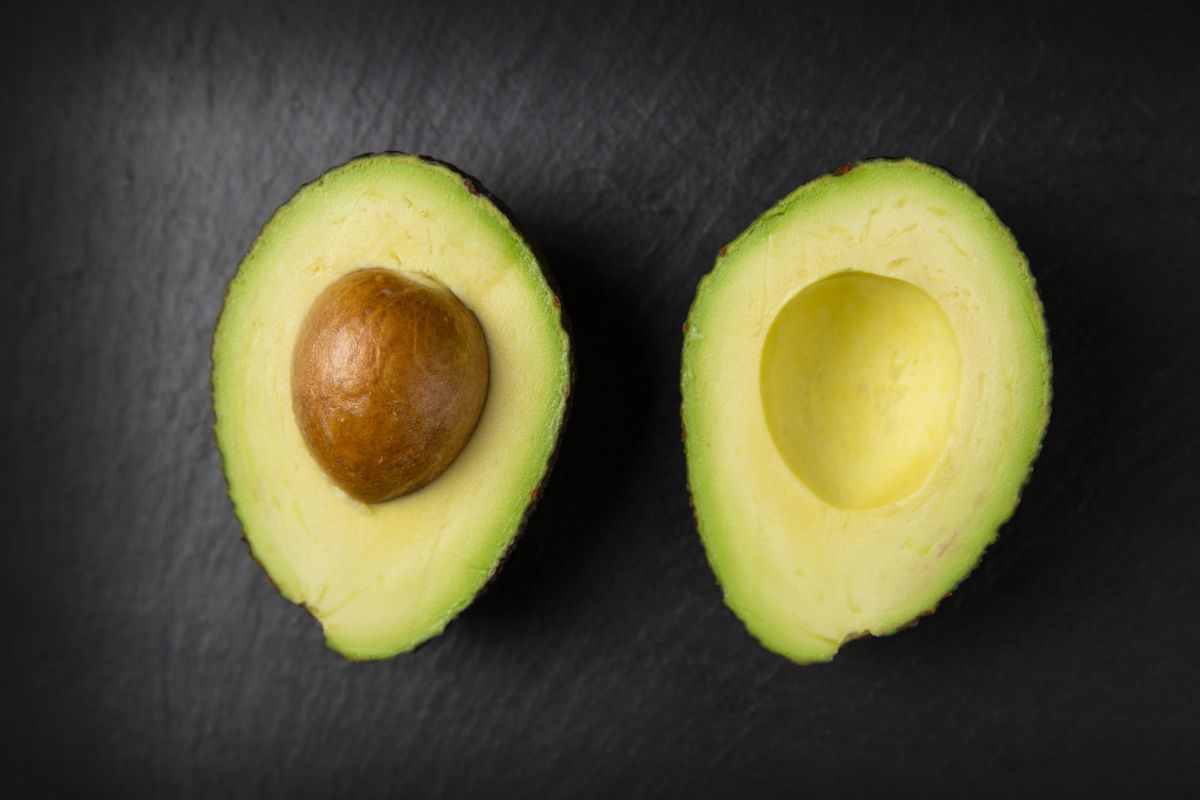
🥑 Avocado — Creamy Nutrient Powerhouse
Avocados are rich in monounsaturated fats, which support heart health and hormone production. They also provide fiber, potassium, and vitamins K, C, and E. Adding avocado to meals helps absorb fat-soluble vitamins from other foods.
- Supports testosterone production naturally
- Helps reduce post-workout inflammation
- Keeps you full and satisfied
🥜 Nuts and Seeds — Almonds, Walnuts, Chia Seeds
Nuts and seeds are packed with healthy fats, protein, and fiber. Walnuts are particularly rich in omega-3s. Almonds provide vitamin E, an antioxidant that helps reduce muscle damage from exercise. Chia seeds offer omega-3s, fiber, and calcium.
- Convenient snack for energy between meals
- Walnuts support brain function and reduce inflammation
- Chia seeds absorb water and help with hydration
🫒 Extra Virgin Olive Oil
Olive oil is a staple of the Mediterranean diet and a source of anti-inflammatory monounsaturated fats. It contains antioxidants that help reduce muscle soreness and support recovery. Use it in dressings or for light cooking.
- Reduces oxidative stress from intense exercise
- Supports cardiovascular health
- Enhances flavor of vegetables and lean proteins
4. Vegetables for Micronutrients and Recovery
Vegetables provide the vitamins, minerals, and antioxidants your body needs to recover from exercise and function optimally. They reduce inflammation, support immune function, and help transport nutrients to muscles.
🥬 Leafy Greens — Spinach, Kale, Swiss Chard
Leafy greens are rich in iron, which helps deliver oxygen to working muscles. They also provide nitrates that improve blood flow and exercise performance. Spinach is high in magnesium, which supports muscle relaxation and prevents cramps.
- Iron prevents fatigue and supports endurance
- Nitrates improve blood flow and workout performance
- Vitamin K supports bone health
🥦 Broccoli and Cruciferous Vegetables
Broccoli, cauliflower, and Brussels sprouts are rich in antioxidants that help reduce exercise-induced oxidative stress. They also contain fiber for digestive health and sulforaphane, a compound that supports detoxification.
- High in vitamin C for immune support and collagen production
- Fiber supports gut health and nutrient absorption
- Low calorie, high nutrient density
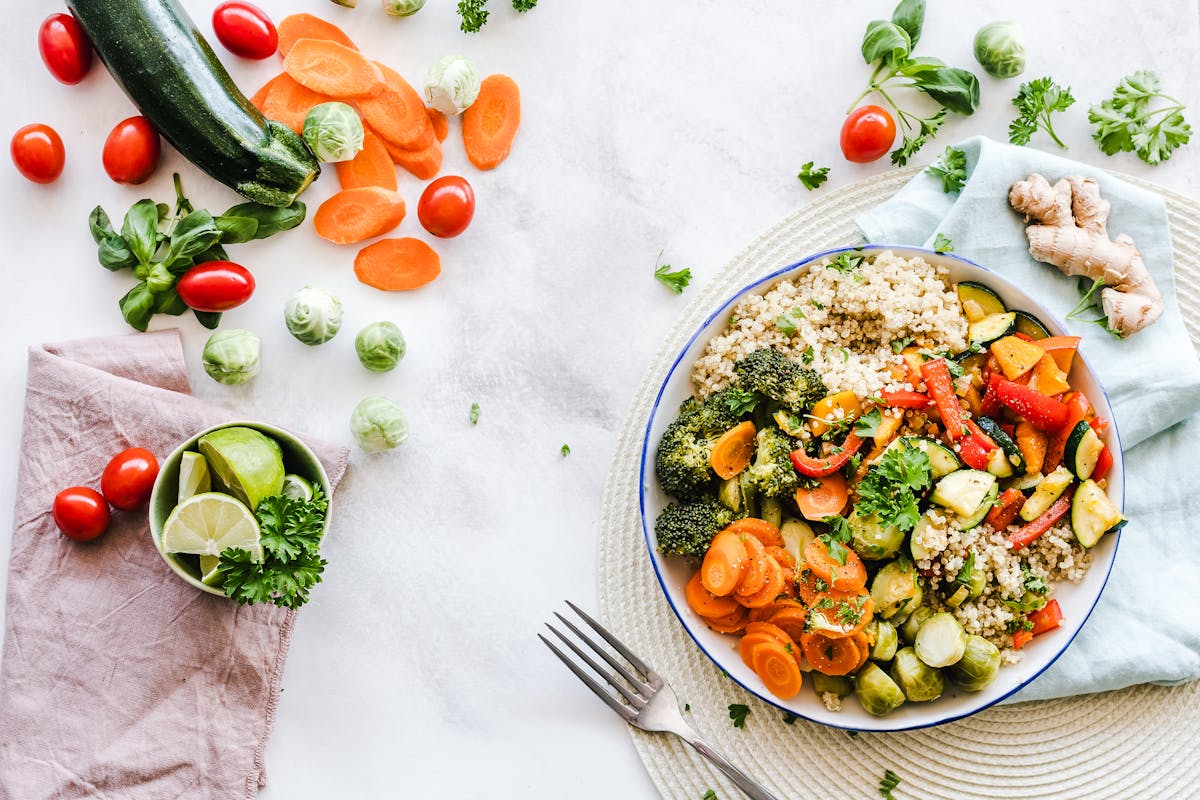
Sample Meal Plan for Muscle Growth and Energy
Here's a simple day of eating that combines these muscle-building and energy-boosting foods:
Hydration and Timing Tips
What you eat matters, but when and how you hydrate also impacts muscle growth and energy levels.
- Pre-workout meal: Eat a balanced meal 2-3 hours before training. Focus on complex carbs and moderate protein.
- Post-workout nutrition: Within 1-2 hours after exercise, consume protein and carbs to replenish glycogen and repair muscle tissue.
- Stay hydrated: Even mild dehydration reduces strength and endurance. Aim for 2-3 liters of water daily, more if you sweat heavily.
- Spread protein intake: Distribute protein across 3-4 meals for optimal muscle protein synthesis.
💡 Quick Tips for Success
✓ Meal prep on weekends to ensure you have healthy options ready
✓ Keep protein-rich snacks like nuts, Greek yogurt, or hard-boiled eggs available
✓ Don't fear carbohydrates — they fuel your workouts and recovery
✓ Whole foods should make up 80-90% of your diet; supplements fill the gaps
✓ Listen to your body — energy needs vary based on activity level
Common Myths About Muscle-Building Nutrition
- "You need massive amounts of protein" — More than 2.2g per kg of body weight doesn't provide additional benefit. Quality matters more than quantity.
- "Carbs make you gain fat" — Complex carbohydrates support muscle growth and energy. Excess calories from any source cause fat gain, not carbs specifically.
- "Supplements are necessary" — Whole foods should be your foundation. Supplements can help but aren't required for muscle growth.
- "Eating fat makes you fat" — Healthy fats support hormone production and don't cause weight gain when eaten in appropriate portions.
Final Thoughts
Building muscle and maintaining steady energy isn't about complicated diets or expensive supplements. It's about consistently choosing whole, nutrient-dense foods that fuel your body. High-quality proteins repair and build muscle tissue. Complex carbohydrates provide sustained energy for workouts and daily life. Healthy fats support hormone function and reduce inflammation. And vegetables deliver the micronutrients your body needs to recover and thrive.
Start by incorporating a few of these foods into your daily routine. Notice how your energy levels improve, how your workouts feel stronger, and how your body recovers faster. Nutrition is a journey, not a destination. Small, consistent choices lead to lasting results.
💪 "The food you eat can be either the safest and most powerful form of medicine or the slowest form of poison." — Ann Wigmore


0 Comments